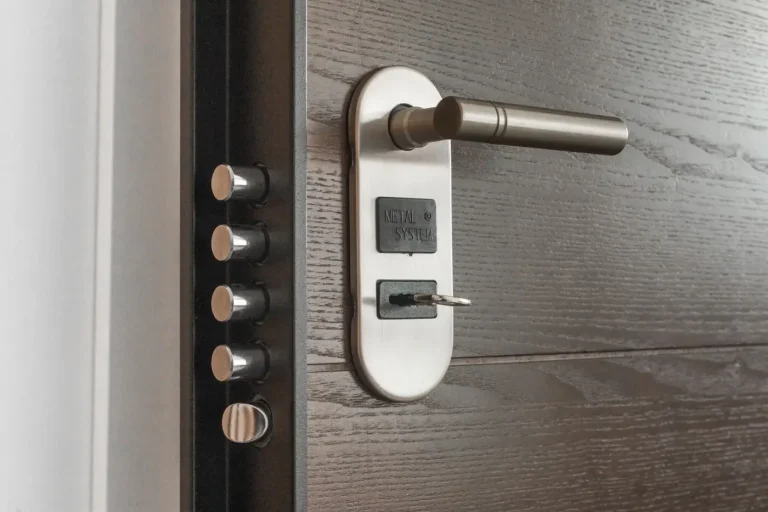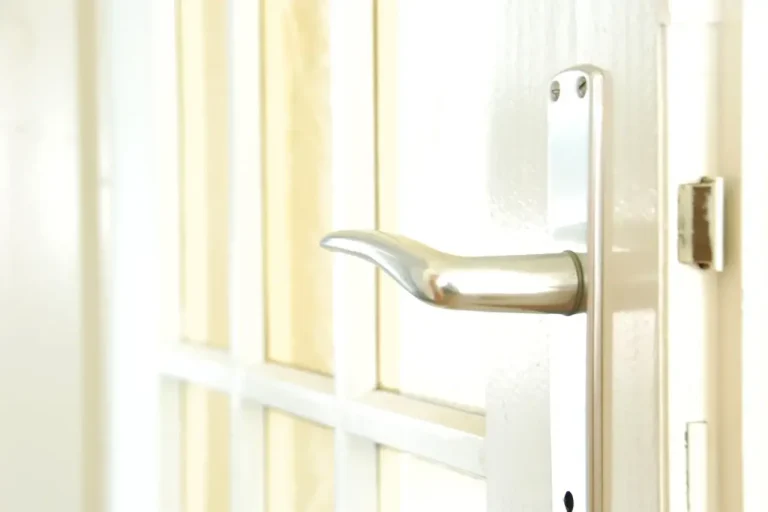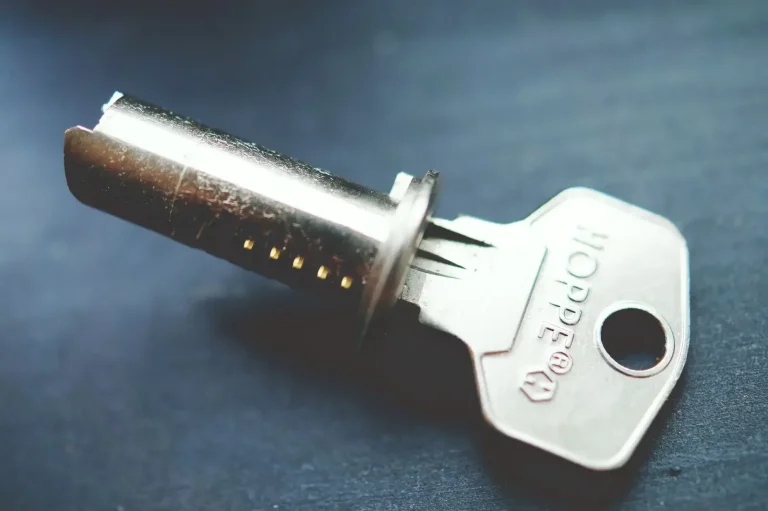
A lock described as “anti-snap” is designed to resist a particular method of attack, but the wording alone does not prove how the cylinder has been tested. To check yours, look at its visible markings, how it sits within the outside handle and whether the surrounding hardware provides additional protection.
This Locksmith Birmingham guide mainly applies to replaceable euro cylinders fitted to many uPVC, composite and aluminium doors. It will help you identify this type of cylinder, complete a safe visual check and understand the security ratings you may find.
You will also learn how to verify a rating, why cylinder size matters and when replacing the cylinder alone may not solve the problem. You do not need to remove or dismantle the lock to begin these checks.
How to Check Whether Your Door Has an Anti-Snap Cylinder
You can complete an initial check without removing the cylinder or handles. You only need to identify the cylinder, record its visible markings and see how it sits within the outside hardware.
Step 1: Confirm That It Is a Euro Cylinder
Look at the keyhole on the outside of the door. A euro cylinder usually has a rounded section around the keyway and a narrower section below it.
Euro cylinders are commonly fitted to uPVC, composite and aluminium doors. Some timber doors also use them.
If the door has a mortice lock, nightlatch or another locking system, this guide may not apply. Start by identifying the type of lock fitted to your door.
Step 2: Look for Security Markings
Check the visible face of the cylinder for:
- A Kitemark
- One or three stars
- A Diamond symbol
- A manufacturer name
- Other clear product markings
Check the external handle or protective surround separately. You may find two stars or another marking on this hardware.
Keep the markings separate when recording them. Stars on the handle relate to the handle, while stars on the cylinder relate to the cylinder.
Do not remove the hardware just to search for a hidden marking. Some information may only appear on the packaging, receipt or original product documentation.
Step 3: Check the Fit and Take Photographs
Look at the cylinder from the side of the external handle or protective surround.
Check whether it:
- Sits close to the surrounding hardware
- Projects noticeably beyond the handle
- Sits too deeply inside the handle
- Is protected by a security handle or escutcheon
- Appears damaged or incorrectly positioned
There is no single projection measurement that applies to every door. Do not try to push, shorten or reposition the cylinder.
Take clear photographs of:
- The cylinder and outside handle together
- The cylinder viewed from the side
- Every visible star, symbol or marking
- The inside handle, keyway or thumbturn
- The metal locking strip if the door is already open
These photographs can help you verify the product or ask for identification without dismantling the lock.
What Does Your Check Show?
| What you see | What to do next |
|---|---|
| Three stars and a Kitemark on the cylinder | Record the manufacturer and verify the exact cylinder |
| One star on the cylinder and two stars on the handle or escutcheon | Verify both components and their ratings |
| A Diamond marking on the cylinder | Check the exact product in the Sold Secure directory |
| Anti-snap wording without a recognised mark | Treat the security rating as unverified |
| No visible marking | Check the original documents or ask for the cylinder to be identified |
| A cylinder that projects noticeably | Have its size, fit and surrounding protection assessed |
This check does not confirm whether the complete door is secure. It shows what information or components need to be examined next.
What Does Anti-Snap Mean?
An anti-snap cylinder is designed to keep the lock better protected if someone tries to break the exposed part of the cylinder. The term describes an intended security feature, but it does not explain how the product was tested.
Terms such as “anti-snap,” “snap-resistant” and “high-security” are product descriptions unless they are supported by a recognised rating.
Common Anti-Snap Features
The design differs between products. An anti-snap cylinder may include:
- A section designed to break in a controlled position
- Reinforcement around vulnerable internal parts
- Features intended to resist other specified forms of attack
- A design intended to work with a protective handle or escutcheon
The presence of one feature does not prove that the cylinder has achieved a particular security rating. Two products described as anti-snap may have different designs and test results.
What the Anti-Snap Label Does Not Confirm
The wording alone does not confirm:
- That the cylinder has passed an independent test
- Which security rating it has achieved
- That it is the correct size for the door
- That it has been fitted correctly
- That the external handle provides suitable protection
- That the complete door is secure
- That it meets a particular insurance requirement
These points must be checked separately.
Why a Verified Rating Matters
A verified rating connects an exact product to a recognised testing and certification scheme. It provides clearer evidence than a general security description.
To assess a claim properly, you need to know:
- Which product carries the rating
- Whether the marking belongs to the cylinder or protective hardware
- The rating achieved
- Whether the exact product can be found in the relevant certification record
What Do TS 007 Stars Mean?
TS 007 uses stars to rate a door cylinder and the protective handle or cover around it. The stars should appear with a Kitemark, which shows that the product is covered by the certification scheme.
The number of stars means different things depending on where the marking appears.
| Marking | Where you may find it | What it means |
|---|---|---|
| One star | Cylinder | Needs a two-star handle or protective cover to form the recognised three-star combination |
| Two stars | Security handle or protective cover | Protects the cylinder and can be combined with a one-star cylinder |
| Three stars | Cylinder | Meets the three-star level on its own |
The Three-Star Cylinder Option
A Kitemarked three-star cylinder meets the three-star level without needing a separate two-star handle for that rating.
The external handle and correct fitting still matter. The cylinder rating does not confirm that the complete door, frame or locking mechanism is secure.
The One-Star Cylinder and Two-Star Handle Option
A Kitemarked one-star cylinder can be combined with a Kitemarked two-star security handle or protective cover.
Together, they form the recognised three-star arrangement:
One-star cylinder + two-star protective hardware = three-star protection
The stars must belong to the correct components. Two stars on a handle do not mean the cylinder has two stars.
What Does the Kitemark Show?
The Kitemark helps show that the product is covered by a recognised testing and certification scheme. It should appear with the correct number of stars.
Do not rely on stars alone. Decorative symbols or marketing graphics can resemble official markings. Record the Kitemark, number of stars, manufacturer and product details before verifying the claim.
The Door and Hardware Federation’s guidance on TS 007 explains the two recognised ways to reach the three-star level.
What Is an SS 312 Diamond Cylinder?
SS 312 Diamond is another recognised security rating for door cylinders. It is awarded through Sold Secure after the exact cylinder model passes the required tests.
Diamond is the highest cylinder rating currently shown in the Sold Secure directory.
Is Diamond the Same as Three-Star?
No, SS 312 Diamond and TS 007 three-star are separate ratings.
The main difference is simple:
- TS 007 uses stars.
- SS 312 uses Sold Secure grades.
- Both ratings apply to the exact product tested.
- One rating does not automatically prove that the cylinder has the other.
Both provide stronger evidence than the words “anti-snap” alone.
Can a Cylinder Have Both Ratings?
Yes, some cylinders carry both a TS 007 three-star rating and an SS 312 Diamond rating.
Do not assume that every three-star cylinder is also Diamond rated, or that every Diamond cylinder has three stars. Check each claim against the exact manufacturer and model.
What Does a Diamond Rating Not Confirm?
An SS 312 Diamond rating does not confirm:
- That the cylinder is the correct size for the door
- That it has been installed correctly
- That the handle or protective cover has its own rating
- That the multipoint mechanism is in good condition
- That the complete door meets an insurance requirement
The rating is important, but the cylinder must still fit correctly and work with suitable surrounding hardware.
How Can You Check a Diamond Rating?
Record the manufacturer and exact cylinder model. Then search the Sold Secure approved lock-cylinder directory.
Check that the directory entry matches the product fitted to your door. A similar product name or Diamond symbol is not enough if the exact model cannot be confirmed.
How to Verify a Door Cylinder Rating
A star, diamond or Kitemark on its own may not confirm the cylinder’s exact security rating. You need to match the visible markings to an identifiable product or certification record.
You can begin with a visual check. There is no need to remove or dismantle the cylinder.
1. Record Every Visible Marking
Look at both ends of the cylinder and note any:
- Manufacturer or brand name
- Product or model name
- Kitemark
- TS 007 star rating
- SS 312 Diamond mark
- Certification or licence number
Take clear photographs if the markings are small or difficult to read.
2. Check Which Part Carries the Rating
Make sure the marking is on the component you are assessing. TS 007 stars may relate to the cylinder or the protective door furniture, depending on the rating shown.
A marking on the handle does not automatically mean that the cylinder has the same rating. Likewise, a rated cylinder does not prove that the handle or complete door has been tested to that standard.
3. Identify the Exact Product
Search for the manufacturer and model using all the details you recorded. Compare the appearance, markings and stated rating with the product fitted to your door.
Do not rely only on packaging, an online listing or the words “anti-snap.” Those descriptions may not identify the exact product or demonstrate independent certification.
4. Check an Official Record
Where possible, confirm the product through the relevant certification body or the manufacturer’s technical information. The Secured by Design product search can provide another useful check for products that have gained its police-preferred specification.
A product not appearing in a current directory is not automatically uncertified. It may be discontinued, listed under another name or covered by an older certificate. Ask the manufacturer or a locksmith to confirm the exact model if the information is unclear.
If you cannot match the markings to an identifiable product and rating, treat the cylinder’s security level as unconfirmed until it has been checked.
Why the Cylinder’s Fit and Door Handle Matter
A security rating is only part of the picture. A highly rated cylinder may provide less protection if it is the wrong size, sticks out unnecessarily or is fitted with damaged or unsuitable door furniture.
Check How the Cylinder Fits
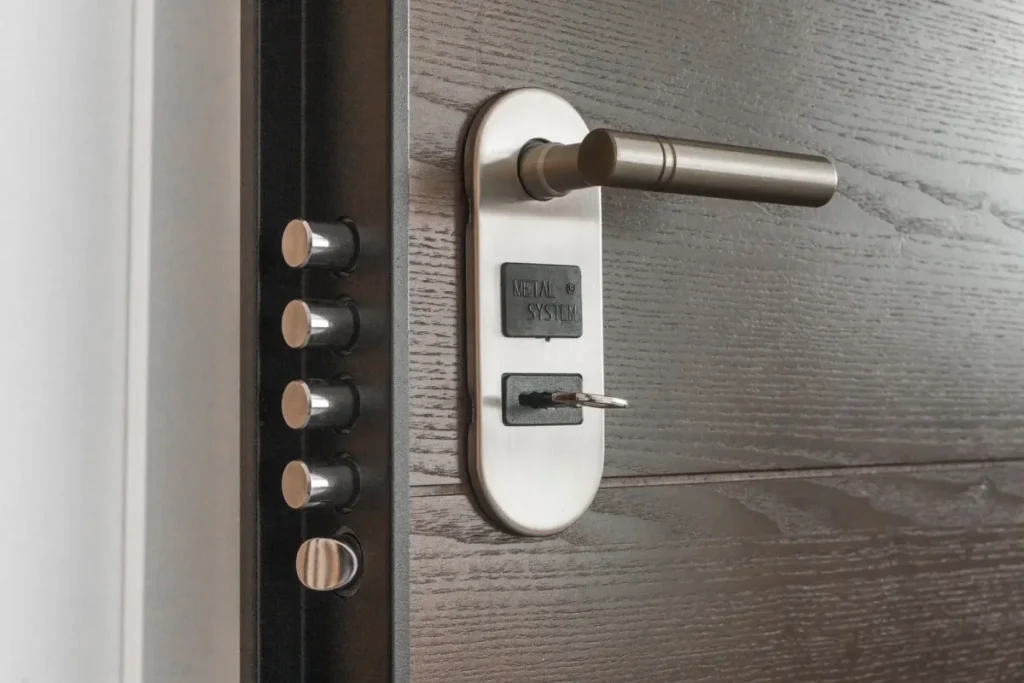
Look at how far the cylinder extends beyond the outside handle or protective plate. This is sometimes called cylinder projection.
The cylinder should be correctly sized for the thickness of the door and its hardware. There is no single projection measurement that applies to every door because handles, protective plates and cylinder designs vary.
A cylinder that appears to stick out too far may be easier to grip or attack. However, appearance alone cannot confirm that the fitting is incorrect. Accurate measurements are needed before choosing a replacement. Our guide to changing a uPVC door lock explains how to identify and measure a euro cylinder.
Check the Security Handle or Protective Plate
The outside handle or escutcheon, which is the protective plate around the key opening, can provide another layer of protection.
Check for:
- Cracks or impact damage
- Loose handles or fixings
- Gaps around the cylinder
- A protective plate that has moved out of position
- A cylinder that moves during normal use
Do not remove the hardware simply to inspect it if doing so could leave the door unsecured.
Check the Inside Operation
Some cylinders use a key on both sides, while others have an internal thumbturn. Do not change from one type to another without checking that it is suitable for the door and property.
This is particularly important on flat entrances, communal doors and fire doors, where safe escape and building requirements may affect the appropriate hardware.
When the Fit or Hardware Needs Attention
Arrange an inspection if the cylinder is loose, appears incorrectly sized or sits within damaged hardware. You should also seek help if the key or thumbturn is stiff, the handle is unstable or the door cannot be secured reliably.
These signs do not identify the exact fault. They show that the cylinder, handle and surrounding locking system should be checked together before any part is replaced.
Locksmith Help in Birmingham
Not Sure Whether Your Cylinder Is Rated or Fitted Correctly?
Tell us your postcode, the door type and the markings you can see. We will discuss the likely work and price before arranging a visit.
Is the Cylinder Really Causing the Lock Problem?
A stiff key or a door that will not lock does not automatically mean the cylinder has failed. The problem could involve the key, handle, spindle, multipoint mechanism or door alignment.
Before replacing anything, compare how the lock operates with the door open and closed. Only perform this check if the door is already open and the mechanism moves without force.
Check the Lock With the Door Open
Keep the door under your control and gently test the key and handle. Check whether:
- An undamaged spare key works normally
- The key enters fully and turns without resistance
- The handle returns to its usual position
- The latch and bolt move correctly
- The hooks, rollers or bolts respond to the handle
If you test a multipoint lock, fully retract every hook, roller and bolt before moving the door towards the frame.
If the Problem Remains With the Door Open
A problem that continues while the door is open may involve the cylinder or another part of the locking system.
If one key works but another does not, the key may be worn or damaged. If neither key operates normally, the cylinder, handle, spindle, lock case or multipoint gearbox may need inspecting.
A key that turns without operating the lock can indicate that the cylinder is not engaging correctly. It can also result from a failed gearbox or another disconnected internal component.
If the Problem Only Happens When the Door Is Closed
If the lock works normally while open but becomes stiff when the door closes, check the door’s alignment before replacing the cylinder.
The latch, bolt, hooks or rollers may be catching against the keeps in the frame. Loose hinges, a dropped door or movement in the frame can all cause this problem.
Changing the cylinder will not correct poor alignment. The door, hinges and keeps may need adjustment instead.
If the Door Is Locked Shut
Do not drill, prise or repeatedly force the key or handle. This could damage the cylinder, mechanism, handle or door.
If the door cannot be opened safely, arrange help with getting back into the property so the complete locking system can be checked.
Symptoms can show where an inspection should begin, but they cannot confirm the failed component on their own.
Can You Replace Only the Anti-Snap Cylinder?
Often, yes. A euro cylinder is usually a separate component, so it can commonly be replaced without changing the complete multipoint lock.
“Anti-snap” describes protection built into or provided around the cylinder. It does not refer to the complete locking mechanism inside the door.
When Replacing Only the Cylinder May Be Enough
A cylinder-only replacement may be suitable when:
- A key has been lost, stolen or may have been copied
- The cylinder is worn or damaged
- An undamaged key no longer operates it reliably
- The existing cylinder is the wrong size
- You want to upgrade to a verified security-rated cylinder
- The handle and multipoint mechanism still work correctly
Movement does not always mean the cylinder needs replacing. A loose retaining screw or damaged handle may also allow it to move. The cause should be confirmed before buying a new component.
Measure the Replacement Correctly
A replacement cylinder must match the door and its fitted hardware. Euro cylinders are measured from the centre of the fixing-screw position to each end. The internal and external measurements can be different.
The cylinder should also provide the correct inside operation. Some doors use a key on both sides, while others have an internal thumbturn.
Take extra care before changing hardware on a flat entrance, communal entrance or fire door. The replacement must remain suitable for the doorset and its escape requirements.
When a New Cylinder Will Not Solve the Problem
Replacing the cylinder is unlikely to help if:
- The handle does not operate the locking points
- The hooks, rollers or bolts remain stuck
- The door has dropped or become misaligned
- The multipoint gearbox has failed
- The handle or protective plate is damaged
- The door remains insecure even though the key turns
These problems may require door adjustment, hardware repair or work on the wider locking mechanism.
Does the Handle Need Replacing Too?
Not necessarily. An existing handle can remain if it is secure, undamaged and compatible with the replacement cylinder.
However, a damaged or unsuitable handle may reduce the protection around a rated cylinder. Some recognised security arrangements also rely on protective handles or an escutcheon fitted around the cylinder.
The cylinder, handle and complete locking system should therefore be considered together. Our guide to choosing between lock repair and replacement explains when changing one component may be enough.
Does an Anti-Snap Cylinder Make the Complete Door Secure?
No. An anti-snap cylinder can strengthen one vulnerable part of the lock, but it does not make the complete door secure by itself.
The cylinder works as part of a wider system that includes the handle, multipoint mechanism, hinges, frame and the door itself. A weakness in any of these areas can reduce the protection provided by a highly rated cylinder.
Check the Complete Locking System
A secure door should be assessed as a complete system. Check the condition of:
- The cylinder and how it fits within the handle
- The outside handle or protective plate
- The multipoint locking strip and gearbox
- The hooks, rollers, bolts and their frame keeps
- The hinges and door alignment
- The frame and its fixings
- Any glazed panels close to the lock
The door should close correctly without needing to be lifted, pushed or pulled into position. The locking points should engage fully without excessive pressure on the key or handle.
The Rating Applies to the Tested Component
A TS 007 or SS 312 rating applies to the product that was tested. It does not automatically certify the complete door, frame or locking system.
For example, a three-star cylinder can provide strong protection against attacks aimed at the cylinder. It cannot compensate for a damaged handle, loose frame, failed multipoint mechanism or badly fitted door.
Some complete doorsets are tested and certified as a system. This is different from fitting a rated cylinder to an existing door.
Security Also Depends on Correct Installation
Even a suitable cylinder may provide reduced protection if it is:
- The wrong length for the door
- Projecting unnecessarily beyond the handle
- Loose within the locking mechanism
- Fitted beside damaged or unsuitable hardware
- Installed in a door that does not close or lock correctly
An anti-snap cylinder is an important security improvement, but its rating, size, installation and surrounding hardware must all work together.
Does an Anti-Snap Lock Meet Insurance Requirements?
Not automatically. An anti-snap cylinder may help meet a policy requirement, but only the insurer’s wording can confirm which lock or security standard is required for your door.
Home insurance policies do not all use the same conditions. Some ask what type of lock is fitted to each external door. Others may refer to a specific British Standard, a multipoint locking system or minimum-security precautions.
Check the Standard Named in Your Policy
Read the sections covering door locks, security conditions and unoccupied properties. Check whether the policy names:
- BS 3621 for certain key-operated locks
- TS 007 for replaceable cylinders and protective hardware
- SS 312 Diamond for security cylinders
- A multipoint locking system
- A specific requirement for patio, French or sliding doors
These standards apply to different products and door arrangements. A TS 007-rated euro cylinder is not the same product as a BS 3621 mortice lock.
Do Not Rely on the Phrase “Insurance Approved”
“Insurance approved” is not a universal lock category. It is commonly used in marketing, but it does not confirm that every insurer accepts the product or that it meets the conditions in your policy.
Look for the exact standard and rating on the product. Then compare that information with your policy documents.
If the wording is unclear, ask the insurer whether the proposed cylinder and complete door arrangement meet its requirements. Request written confirmation where possible.
Keep a Record of the Upgrade
Retain the product details, invoice and any photographs showing the fitted lock and visible markings. These records may help you answer future questions about the door’s security.
A rated anti-snap cylinder can be a suitable part of an insurance-compliant locking arrangement, but the policy and complete installation must be considered together.
When Should You Arrange a Cylinder or Door Inspection?
Arrange an inspection when you cannot verify the cylinder’s rating, the lock no longer works reliably or the door cannot be secured properly.
An inspection may also be useful when the cylinder appears suitable but its size, fitting or surrounding hardware raises concerns.
Ask for the Door to Be Checked If:
- The cylinder has no identifiable rating or manufacturer
- It projects noticeably beyond the outside handle
- The cylinder or handle moves during normal use
- The key sticks, turns poorly or works only at certain angles
- The handle does not operate all the locking points
- The door works while open but becomes stiff when closed
- The door has dropped or no longer meets the frame correctly
- The handle, escutcheon or frame has visible damage
- A key has been lost, stolen or may have been copied
- The door has been affected by an attempted break-in
If the entrance cannot be locked or the property cannot be secured, explain this when requesting help.
What Should the Inspection Cover?
The inspection should identify:
- The type, size and condition of the cylinder
- Any visible certification markings
- The condition of the handle or protective plate
- Whether the multipoint mechanism operates correctly
- How the locking points meet the frame
- Whether the door or hinges need adjustment
- Whether changing the cylinder alone would solve the problem
Ask which component needs attention and why. You should also understand whether the recommendation involves adjustment, a cylinder upgrade, new protective hardware or work on the wider locking mechanism.
For help checking a cylinder or a door that no longer locks correctly, contact our Birmingham locksmith team. Share the door material, visible lock markings, the problem you have noticed and whether the property can currently be secured. Clear photographs of the cylinder, handles and door edge may also help identify the system.
Check the Rating, Fit and Complete Door
An anti-snap cylinder is worth considering when it has a verified TS 007 or SS 312 rating, fits the door correctly and works with suitable protective hardware. The label alone is not enough, so check the markings and exact product before relying on its security claims.
Remember that the cylinder is only one part of the entrance. The handle, multipoint mechanism, hinges, frame and door alignment must also remain secure and operate correctly.
If you cannot verify the rating, the cylinder appears incorrectly fitted or the door no longer locks reliably, request a lock and door assessment. Share your Birmingham postcode, door type, visible markings and clear photographs so the likely work can be discussed before attendance.
Cylinder and Door Checks
Need Your Door Cylinder Checked or Upgraded?
Call with your postcode and a short description of the lock. We will explain the options and the expected price before attendance.
Frequently Asked Questions
How can I tell if my door lock is anti-snap?
Look for a recognised rating, such as a TS 007 three-star Kitemark or SS 312 Diamond certification. The words “anti-snap” alone do not confirm that the cylinder has been independently tested.
Does a TS 007 three-star cylinder mean it is anti-snap?
Yes, a verified TS 007 three-star cylinder is tested to resist snapping and other recognised attack methods. The cylinder should display the relevant Kitemark together with three stars.
Is SS 312 Diamond better than TS 007 three-star?
Neither can be declared universally better from its name alone because they are separate certification systems with different test requirements. Both indicate enhanced cylinder security, and some products carry both ratings.
Can I replace the euro cylinder in my uPVC door with an anti-snap cylinder?
In many cases, yes. The replacement must have the correct euro-profile design, internal and external measurements, operating arrangement and compatibility with the existing door hardware.
Do I need new handles with an anti-snap cylinder?
Not always. Existing handles can remain if they are secure, undamaged and compatible with the new cylinder. Some recognised security arrangements use a one-star cylinder together with two-star protective handles or a lock surround.
What if my cylinder has stars but no Kitemark?
Three stars without the relevant Kitemark are not enough to verify a TS 007 three-star rating. Record the complete marking and check the exact manufacturer and model through an official product record.
Does an anti-snap cylinder stop every type of break-in?
No. It is designed to resist attacks aimed at the cylinder, but it cannot protect against every entry method. The handle, multipoint lock, hinges, frame, glazing and quality of installation also affect door security.
Why does my lock work with the door open but not when closed?
The door or locking points may be misaligned with the frame. Check the hinges, latch, bolts and keeps before replacing the cylinder, because a new cylinder will not correct an alignment problem.
Should I replace the cylinder after losing a key?
Consider replacing it promptly if the missing key could be linked to your property or may have been copied. Changing the cylinder prevents the lost key from continuing to operate that door.
How often should an anti-snap cylinder be replaced?
There is no fixed replacement interval for every anti-snap cylinder. Arrange a replacement or inspection if it becomes damaged, unreliable, incorrectly fitted, affected by an attempted attack or unsuitable for your current security needs.