
Safe Installation Service Across Birmingham
Need a safe installed at your Birmingham home or business? Our safe installation service considers the safe model, manufacturer’s instructions, proposed position and supporting structure to determine an appropriate installation approach.
Tell us about the safe and where you would like it installed. If known, provide its make, model and approximate dimensions. We will discuss the requirements, provide an initial estimate and arrange the next appropriate step. The required work and final price will be confirmed before installation begins.
Call a Locksmith: 0121 496 0123
Correct safe installation starts with checking the safe, the proposed position and the surrounding structure. An unsuitable location or installation method may make the safe difficult to use, cause avoidable property damage or conflict with the manufacturer’s instructions.
The model, dimensions, weight and manufacturer’s guidance help determine how the safe should be handled and what installation work may be required.
The construction and condition of the proposed wall, floor or supporting area must be considered. Not every position or surface will be suitable for every safe.
The route into the property, available working space and intended use of the safe should also be assessed. A suitable position needs to support installation while allowing the owner to access and operate the safe conveniently.
We will explain whether the proposed position appears suitable, what work may be required and the next step before installation is arranged.
Whether a particular safe can be installed depends on its design, dimensions, weight, manufacturer’s instructions, property access and the proposed position. We assess each request individually before confirming whether the work falls within our safe installation service.
Provide the following information where available:
Do not worry if some details are unavailable. Share what you know and we will explain what additional information may be needed.
We will also need to understand:
After reviewing the available information, we will explain whether an assessment is required and what the next step will be. The installation method and final price will be confirmed before work begins.
Need access to an existing locked safe? View Safe Opening in Birmingham
A safe’s certification, rating and installation may affect whether it meets the conditions of an insurance policy. Correct installation does not guarantee cover or claim approval, so confirm the requirements with your insurer before purchasing or installing a safe.
Ask your insurer whether the policy specifies a minimum cash rating, valuables rating, resistance grade or independently certified safe. The requirement may depend on what will be stored and its total insured value.
Your policy or the safe manufacturer may specify how and where the safe should be installed. Check whether the safe must follow particular fixing instructions or be installed against a suitable type of structure.
Retain the safe’s invoice, manufacturer and model details, certification information and installation instructions. You should also keep any invoice or other documentation supplied after installation, as your insurer may request evidence when reviewing a claim.
If your insurer has provided written requirements, share them before arranging the installation. This allows the proposed work to be considered against the information you have received.
Insurance reminder: Requirements differ between insurers and policies. Ask your insurer to confirm the required safe, rating and installation conditions in writing.
Safe ratings describe the type or level of protection a product has been assessed to provide. The appropriate rating depends on what will be stored, its insured value and any conditions set by the insurer.
A cash rating indicates the amount of cash an insurer may be prepared to cover when stored in a particular safe. It should not be treated as an automatic insurance limit because insurers can apply different policy conditions.
Ask your insurer to confirm the required cash rating for the amount you intend to store before choosing a safe.
A valuables rating relates to possessions such as jewellery, watches and other high-value items. The accepted valuables limit may be higher than the cash rating, but the calculation can vary between insurers.
Do not assume that a standard multiplier will be accepted under every policy. Confirm the required level directly with your insurer.
EN 1143-1 is a European standard used to test and classify the burglary resistance of safes and related secure-storage products. A safe tested and certified to this standard may be assigned a resistance grade, commonly described as a Eurograde.
The resistance grade describes tested burglary resistance. It does not automatically establish how much an individual insurer will cover.
Other secure-storage products may be assessed under different standards. Fire resistance is also tested separately, so a safe described as fire-resistant does not automatically have a certified burglary-resistance grade.
Look for a certification label or plate and check the manufacturer, model, relevant standard, resistance grade and certifying organisation. Compare this information with the product documentation or the certifying organisation’s product records where available.
Marketing descriptions such as “security safe” or “high-security safe” do not, by themselves, prove that a product has been independently tested and certified.
If certification is required for insurance, ask your insurer whether it accepts the specific safe, certification and rating before purchasing or arranging installation.
Before choosing a safe: Confirm what you intend to store, its total insured value, the required rating and any installation conditions with your insurer.
A suitable position must work with the safe’s design, manufacturer’s instructions, weight and intended use. The surrounding structure, access route and conditions within the proposed area should all be considered before installation begins.
The manufacturer’s instructions may specify how the safe should be positioned or fixed. The construction and condition of the proposed wall, floor or supporting area will affect whether that location is suitable.
A fixing method should only be selected after the safe and surrounding structure have been assessed.
The safe must be moved safely through the property before it can be installed. Stairs, narrow doorways, tight corners, floor loading and available working space may affect whether the proposed position is practical.
Do not move a heavy safe into position before confirming that the access route and installation area are suitable.
The position should allow the owner to open and use the safe without obstruction. Moisture, excessive heat and other environmental conditions should also be considered, particularly when documents, digital media or sensitive items will be stored.
The final position should balance the installation requirements, practical access and intended use of the safe.
If you have purchased a safe from another supplier, contact us before moving it into its intended position. We will review the available details and confirm whether installation is available for that model and property.
Provide the following information where available:
Do not worry if some information is unavailable. Share what you know and we will explain what else may be required.
We may also need to know:
Purchasing a safe does not mean every position or installation method will be suitable. The required work and final price will be confirmed before installation begins.
Having the safe details and installation area ready can help the proposed work be assessed more efficiently. Do not attempt to lift, reposition or unpack a heavy safe if doing so could cause injury or property damage.
Have the manufacturer, model, dimensions, approximate weight and installation instructions available where possible. Keep any keys, access codes and supplied fixings in a secure place.
Do not share a safe code by email, contact form or text message unless you have been specifically advised that it is required through an appropriate secure process.
Remove movable obstacles from doorways, corridors and the area surrounding the proposed position. Tell us in advance about stairs, restricted parking, narrow entrances or other access difficulties.
Do not remove doors, alter flooring or carry out structural work unless the requirements have been confirmed.
The wall, floor and surrounding area should be visible for assessment. Avoid placing furniture or stored items around the proposed position immediately before the visit.
An authorised adult should be available to confirm the proposed location and approve the work and price before installation begins.
The cost of safe installation depends on the safe, property access, proposed position and work required. We do not publish one standard price because the installation requirements can vary considerably between properties and safe models.
A larger or heavier safe may require additional handling, more than one technician or suitable moving equipment. The safe’s dimensions and weight also affect how it can be moved through the property.
Stairs, narrow entrances, restricted parking, tight corridors and the distance from the vehicle to the proposed position may affect the work involved.
The proposed wall, floor or supporting area must be assessed against the safe’s installation requirements. The required fixings, materials and working time will depend on the safe and surrounding structure.
Installing a used or relocated safe may involve different considerations from installing a new unit with its original instructions and fixings. Missing product information may require further checks before the work can be confirmed.
Provide the make, model, dimensions, approximate weight and proposed position where known. We will give an initial estimate based on the information available and confirm the required work and final price before installation begins.
We begin by gathering information about the safe, property and proposed position. This helps identify access requirements and whether an assessment is needed before installation can be confirmed.
1
Provide the manufacturer, model, dimensions and approximate weight where known. Tell us whether the safe is new, used, already at the property or being relocated.
2
Explain where you want the safe installed and whether the route involves stairs, narrow doors, tight corners or other access restrictions.
3
We will review the available information and explain whether further details or an on-site assessment are required.
4
Before installation begins, the proposed position and required work will be confirmed. You will receive the final price and have the opportunity to approve it.
5
The safe will be installed using an approach appropriate to the model, manufacturer’s instructions and assessed supporting structure. After the work, you can ask questions about operating the safe and looking after the installation area.
Our safe installation service covers homes and businesses across Birmingham. Appointment availability depends on the property location, safe details and work required.
When contacting us, provide your postcode along with the safe’s make, model, approximate dimensions and weight where available. We will confirm whether the location is covered and explain the next step.
Need a safe installed at your Birmingham home or business? Tell us about the safe, where it is located and where you would like it installed.
Provide the manufacturer, model, approximate dimensions and weight where known. We will review the available information, explain whether an assessment is required and provide an initial estimate before arranging the next step.
The proposed work and final price will be confirmed before installation begins.
Related Services
A lost key, failed lock or access problem can leave a safe unusable. The correct opening approach depends on the safe and locking method involved.
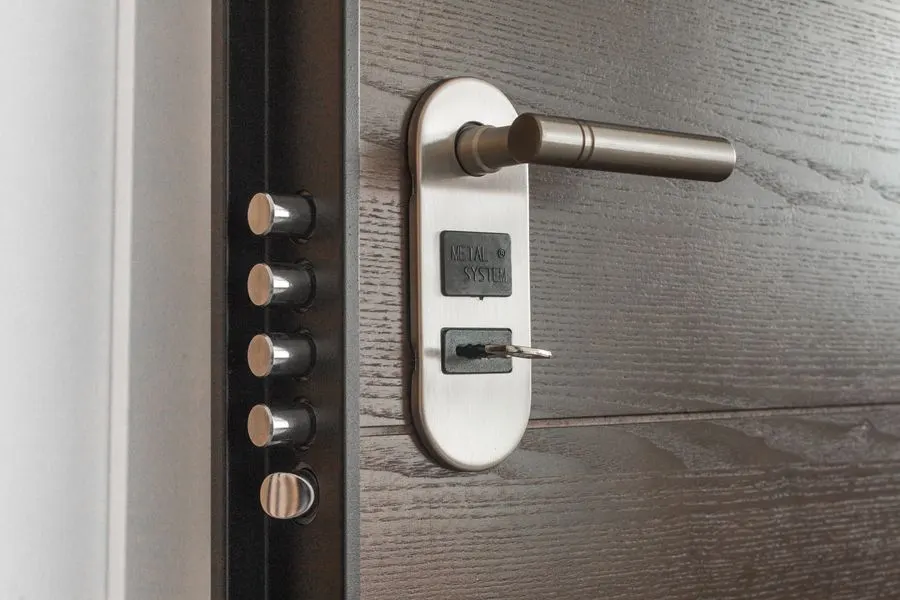
Install a lock on a new door or add security where no suitable fitting exists. The correct installation depends on the door and intended use.
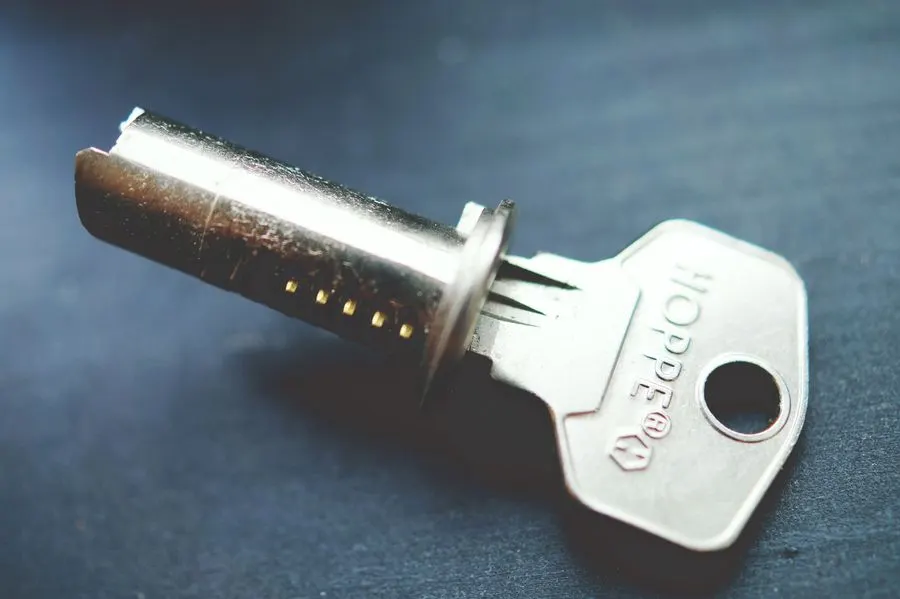
Replace a damaged, outdated or unsuitable lock when repair is no longer appropriate. Find options suited to your door, existing lock and security needs.
Not every safe has the same installation requirements. The correct approach depends on the model, weight, manufacturer’s instructions, supporting structure and any conditions specified by your insurer.
A safe designed for fixed installation should be installed using a method suitable for that product and location. Check the manufacturer’s instructions and confirm any insurance requirements before work begins.
Contact us with the safe’s manufacturer, model, dimensions and approximate weight. We will review the details and confirm whether installation is available for that safe and proposed position.
If possible, also provide the product manual, installation instructions and information about any supplied fixings.
The most suitable position depends on the safe’s design, weight, intended use, property access and available supporting structure. The location should also allow the owner to open and use the safe without obstruction.
Avoid moving a heavy safe into its final position until the access route and installation area have been assessed.
The required rating depends on what you intend to store, its total insured value and the conditions of your insurance policy. Your insurer may specify a cash rating, valuables rating, resistance grade or accepted certification.
Ask your insurer to confirm its requirements in writing before purchasing or installing a safe.
This depends on the safe model, manufacturer’s instructions and construction of the proposed wall or floor. A position that is suitable for one safe may not be appropriate for another.
The supporting area and required installation method should be assessed before drilling or fixing work begins.
The price depends on the safe’s size and weight, property access, proposed position, supporting structure and work required. There is no single price that accurately covers every installation.
Provide the available safe and property details to receive an initial estimate. The required work and final price will be confirmed before installation begins.