
Door and Lock Repair • Birmingham
Is your key difficult to turn, your handle loose or your door difficult to lock? Our Birmingham locksmith service repairs faulty locks, handles and door-alignment problems on homes and business premises.
We inspect the cause before recommending any work. If a repair or adjustment is suitable, we will explain the option and provide an initial cost estimate.
Door will not lock or your property is insecure? Request Emergency Locksmith Assistance
Call a Locksmith: 0121 496 0123
A door that is difficult to lock does not always have a failed lock. The problem may involve the door alignment, hinges or keeps, so the cause should be identified before any parts are replaced.
If the key turns and the handle operates more easily while the door is open, the door and locking points may no longer be aligning correctly.
Possible causes include hinge movement or a keep or strike plate that is out of position.
If the lock continues to stick or fails to engage while the door is open, the problem may be within the lock itself.
Possible causes include a fault involving the cylinder, latch, gearbox or another internal component.
| What happens? | Possible cause |
|---|---|
| The lock works more easily while the door is open | Door alignment, hinges or keep position |
| The lock still fails while the door is open | Lock component or internal mechanism |
Do not force a stiff key or handle. This can place additional strain on the key, cylinder or locking mechanism.
Stop testing the lock if the key is bending, a component is loose or the door has been damaged.
Door-lock problems can involve the lock, its individual components or the way the door closes. We inspect the complete setup to identify the affected part and explain whether repair, adjustment or replacement is appropriate.
Euro cylinders are commonly fitted to uPVC, composite and aluminium doors. A stiff or unreliable key may involve the cylinder, door alignment or another part of the mechanism.
If the cylinder has failed, replacing it may restore normal operation without changing the complete locking system.
Mortice locks are installed within the edge of timber doors. Similar lock cases and latches are also used on many internal doors.
Problems may involve the latch, bolt, internal lock case or door alignment. We inspect the affected components before recommending a repair or replacement.
Nightlatches are surface-mounted locks commonly found on timber doors. Problems can involve the rim cylinder, latch, lock body or door position.
Some components can be changed separately, depending on the lock and its condition.
Multipoint systems secure many uPVC and composite doors at several points along the frame.
A difficult handle or key may indicate an alignment issue or a fault within the mechanism. The affected component must be identified before the correct work can be recommended.
Loose handles, worn spindles and faulty latches can prevent a door from operating correctly.
Repairing or replacing the affected component may restore normal operation without requiring a complete new lock.
Keeps and strike plates receive the latch, bolt or locking points when the door closes.
If the door has moved out of position, these components may no longer align correctly. Adjustment may be sufficient where the lock itself remains serviceable.
Not sure which component has failed? Ask us to inspect the lock and door.
Door alignment, worn fittings and incorrectly positioned keeps can all affect how a lock operates. We inspect the door and its components before explaining the appropriate repair or adjustment.
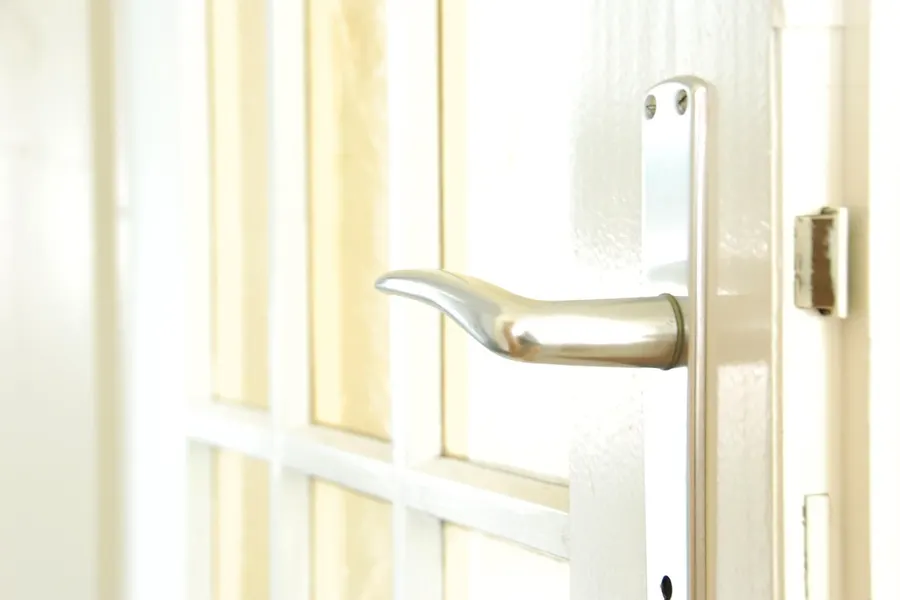
A door that no longer sits correctly within its frame can place pressure on the locking system.
Common signs include:
Depending on the cause, adjusting the door or suitable hinges may restore the correct position and reduce strain on the lock.
A loose or difficult handle may involve worn fittings, a damaged spindle or the connection between the handle and lock mechanism.
We inspect the affected components before recommending an adjustment, repair or replacement. Correcting the individual fault may restore normal operation without replacing the complete locking system.
Keeps and strike plates receive the latch, bolt or locking points when the door closes.
If their position no longer matches the lock, the door may become difficult to close or secure. Repositioning a suitable keep or strike plate may restore correct engagement where the lock remains serviceable.
If your lock works differently when the door is open, arrange an inspection before replacing it.
Do not apply additional pressure when a key becomes difficult to turn or a handle feels stiff. Forcing it can place more strain on the key, cylinder, handle or internal locking mechanism.
The underlying problem may be minor, such as door alignment or a loose fitting. Continuing to use force could make the fault more difficult to repair.
Stop using the lock if the key begins to bend, the handle becomes loose or the door can no longer be secured. Arrange an inspection so the cause can be identified before further work is required.
The right solution depends on what has failed and the condition of the existing lock. We inspect the lock, door and frame before explaining whether repair, adjustment or replacement is appropriate.
Repairing or adjusting the affected component may restore normal operation without changing the complete lock.
If replacement is recommended, we will explain why and discuss suitable options before any work begins.
Some lock problems can be booked for a convenient time. Others need urgent attention because access is blocked or the property cannot be secured.
The immediate priority is to restore access or make the property secure.
Arrange an inspection before the lock becomes more difficult to operate or the door can no longer be secured.
If you are unsure, describe what the lock and door are doing when you call. We will help you choose between urgent assistance and a planned appointment.
Pricing
Lock-repair costs depend on the fault, the lock and door type, and the work required. A door may need an alignment adjustment, while a damaged component may need repairing or replacing.
We provide an initial cost estimate based on the information you give us. If the inspection identifies different or additional work, we will explain the reason and confirm the revised price before proceeding.
The main factors affecting the price include:
We inspect the lock and door before confirming the required repair. Here is what to expect when you contact us.
1
Tell us what the key, handle, lock and door are doing. Let us know when the problem began and whether the property can still be secured.
2
We provide an initial estimate based on your description. The required work and final price are confirmed after the lock and door have been inspected.
3
The locksmith checks the lock, related components, door alignment and frame to identify the cause of the problem.
If different or additional work is required, we explain why and confirm the revised price before proceeding.
4
We explain the recommended work before it begins. Where appropriate, we repair or adjust the affected component instead of replacing the complete lock.
5
After completing the agreed work, we test the key, handle and door through a complete locking and unlocking cycle. We also check that the door closes and secures correctly.
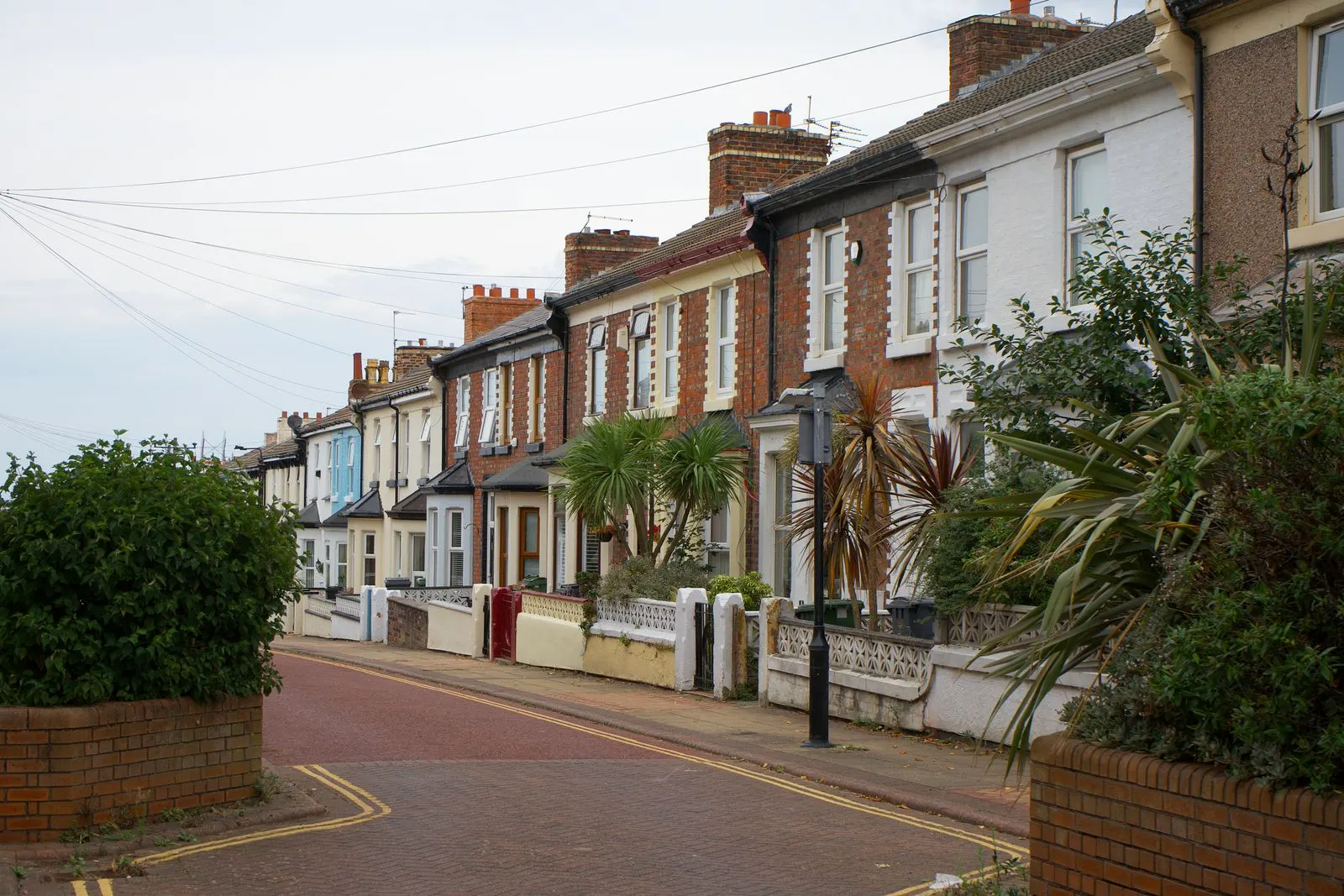
Our Birmingham locksmith service repairs faulty locks, handles and door-alignment problems for homeowners, tenants, landlords and businesses.
We also cover other parts of Birmingham. If your area is not listed, call us to confirm current availability for your address.
Need help with a stiff, damaged or unreliable lock? Tell us what the lock and door are doing so we can discuss the appropriate next step.
We can provide an initial cost estimate and arrange an inspection. The required work and price will be confirmed before the agreed repair begins.
Related Services
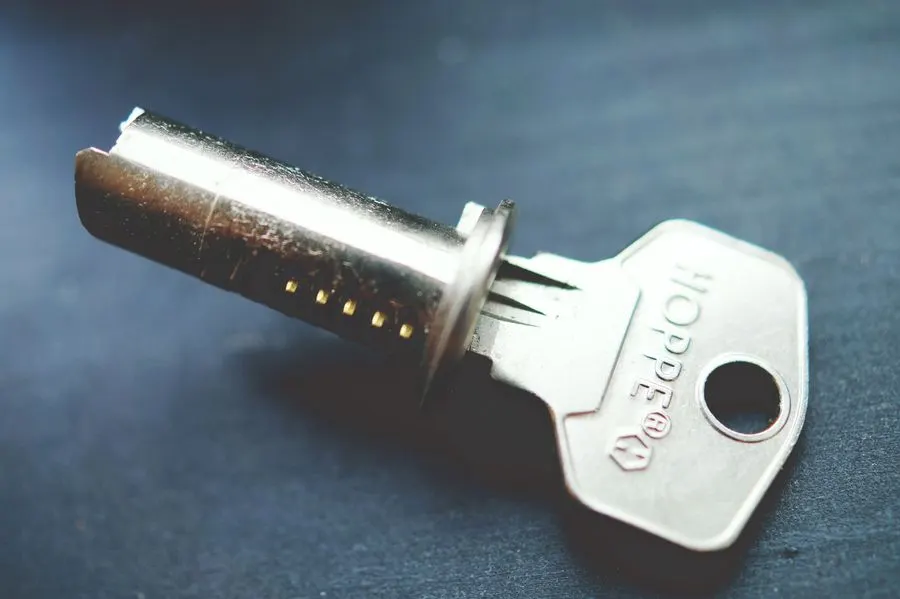
Replace a damaged, outdated or unsuitable lock when repair is no longer appropriate. Find options suited to your door, existing lock and security needs.
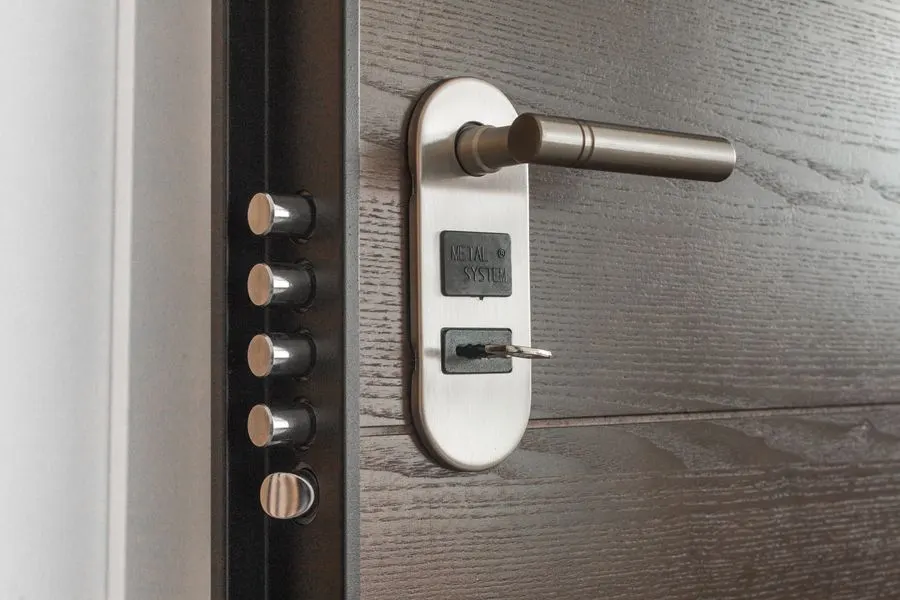
Install a lock on a new door or add security where no suitable fitting exists. The correct installation depends on the door and intended use.
Problems with the cylinder, handle, gearbox or multipoint mechanism can stop a uPVC door working properly. Explore repair and replacement options for common faults.
Frequently Asked Questions
Sometimes. Whether a lock can be repaired depends on the fault, the condition of its components and the availability of suitable parts.
A door may only need an alignment adjustment or the repair or replacement of one component. A complete lock replacement may be necessary if the existing lock is severely damaged or no longer suitable.
Try operating the lock carefully while the door is open. If it works more easily, the problem may involve the door alignment, hinges or keeps.
If it still fails while the door is open, the fault may involve the cylinder, latch or internal mechanism. Stop testing if the key begins to bend, a component is loose or the door has visible damage.
A stiff key may be caused by door alignment, cylinder wear, an internal mechanism fault, pressure on the locking points or a worn key.
Do not force the key. An inspection can determine whether the lock needs adjustment, repair or a replacement component.
A loose handle may involve its fixings or spindle. A handle that is difficult to lift may indicate a door-alignment problem or a fault within a multipoint locking mechanism.
The handle, lock and door should be inspected together to identify the cause.
Some door-alignment problems can be corrected by adjusting suitable hinges, keeps or other related components.
The appropriate work depends on the door, frame, hinges and locking system. Significant structural damage or severe warping may require a carpenter or door specialist.
We repair many common locks fitted to homes and business premises. These include euro cylinders, mortice locks, nightlatches and multipoint locking systems.
The available repair depends on the lock, the failed component and whether compatible parts are available.
The cost depends on the fault, lock and door type, affected component and work required. An alignment adjustment is different from repairing or replacing a failed component.
We provide an initial estimate based on your description. If the inspection identifies different or additional work, we will explain the revised price before proceeding.
The time required depends on the lock, the nature of the fault, the door condition and whether a compatible replacement component is needed.
The locksmith can explain the expected work after inspecting the lock and door. No fixed completion time can be confirmed before the fault has been identified.
Yes. If the door cannot be secured, arrange urgent assistance because the property may be left accessible.
Urgent help may also be required if forced-entry damage has affected the entrance or a lock fault prevents necessary access.
The lock, door and frame should be inspected after attempted forced entry.
Depending on the damage, the work may involve adjustment, component repair, lock replacement or separate structural repairs to the door or frame.
Call a locksmith if the problem involves the lock, cylinder, latch, handle, mechanism or how the lock engages with the keeps.
A carpenter or door specialist may be required for significant structural damage, severe warping or major frame repairs. If you are unsure, describe the problem when you call.
We can arrange repairs for suitable locks and doors on business premises across Birmingham.
Tell us about the property, entrance and fault when you call. We will confirm whether the required work falls within our service scope.