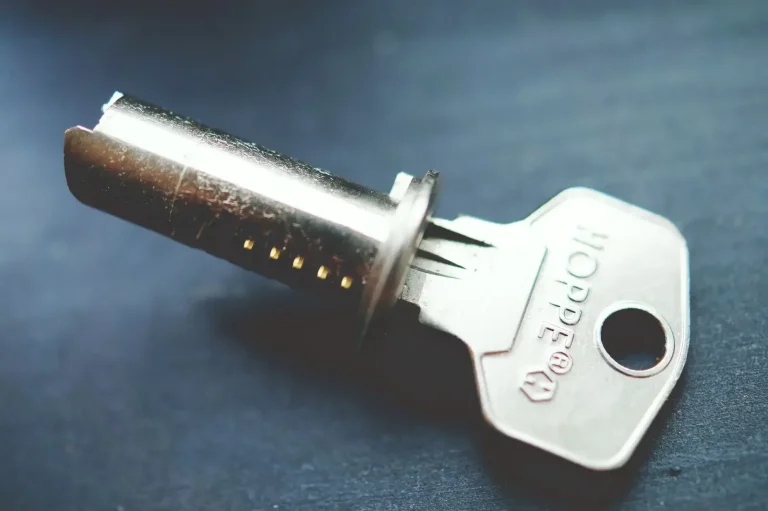
To replace a door lock, you need to identify the existing lock, measure its dimensions and fit a compatible replacement. A straightforward change can often be completed with basic tools, provided the new lock matches the fittings already in the door.
The challenge is choosing the right replacement. Mortice locks and nightlatches, commonly fitted to timber doors, use different measurements and fixing arrangements. Getting these details wrong can leave you with a lock that does not fit or operate correctly.
This guide takes you through identifying, measuring, removing and fitting a replacement door lock, including how to test it before closing the door. It focuses on conventional timber door locks, explains where uPVC and composite doors need a different approach, and highlights when professional help is the better option.
Which Type of Door Lock Are You Replacing?
Before buying a replacement, identify the type of lock fitted to your door. Mortice locks, nightlatches and euro cylinders have different designs, measurements and fitting requirements. Choosing the wrong type can mean the new lock will not fit, even if it looks similar to the original.
Start by looking at the door material, the position of the lock and how the handle and key operate.
| Lock type | How to recognise it |
|---|---|
| Mortice deadlock | The lock body sits inside the door edge and operates a deadbolt using a key, usually without a connected handle. |
| Mortice sashlock | Fitted into the door edge like a deadlock, but includes a latch operated by a handle and a deadbolt operated by a key. |
| Nightlatch and rim cylinder | A box-shaped latch case is mounted on the inside face of the door, with a key-operated cylinder accessible from outside. |
| Euro cylinder and multipoint lock | Often found on uPVC and composite doors, with a cylinder operating alongside a mechanism that may secure the door at several points. |
Mortice Deadlocks and Sashlocks on Timber Doors
Mortice locks are fitted into a recess cut into the edge of a timber door. The two common types are deadlocks and sashlocks.
A mortice deadlock operates a deadbolt using a key, while a mortice sashlock combines a key-operated deadbolt with a spring latch operated by a door handle.
Some external timber doors have five-lever mortice locks, including models designed to meet BS 3621. However, the number of levers alone does not establish whether a lock meets that standard or satisfies your insurance requirements.
When choosing a replacement, check whether you have a deadlock or sashlock, along with its dimensions and security specification.
Nightlatches and Rim Cylinders
A nightlatch is fitted to the inside face of a door rather than being recessed into its edge. It generally uses a latch operated by an internal knob or lever and an external key-operated rim cylinder.
The nightlatch case and rim cylinder are separate components. If only the cylinder is faulty or the keys need changing, replacing the entire nightlatch may not be necessary.
If the complete nightlatch needs replacing, its backset, fixing arrangement and compatibility with the existing door preparation become important. These measurements are covered later in this guide.
What about uPVC and composite doors?
Many uPVC and composite doors use a euro cylinder within a multipoint locking system. The cylinder and the mechanism are different components, so replacing one will not necessarily fix a fault in the other.
For these doors, follow our separate guide to changing a uPVC door lock, which covers the relevant cylinder and mechanism considerations.
Does Your Door Lock Need Replacing or Just Repairing?
A stiff or unreliable door lock does not always need replacing. Sometimes the lock itself is faulty, but problems with the door’s hinges, frame or strike plate can cause similar symptoms. Identifying where the problem lies before buying a replacement may save you unnecessary work and expense.
If the door opens normally, try operating the lock gently while the door is open. If the key and bolt move freely but become difficult to operate when the door is closed, misalignment may be contributing to the problem. This is a useful clue, although it does not rule out wear or damage within the lock.
Signs the Lock May Be Faulty
A lock may need repairing or replacing when its internal components no longer operate reliably. Possible warning signs include:
- The key turns without moving the bolt: An internal component may be worn, damaged or disconnected.
- The key is difficult to insert or turn: Wear, damage or a problem inside the lock may be causing resistance.
- The lock jams intermittently: A worn or damaged mechanism may prevent the bolt from moving consistently.
- The key has snapped inside the lock: The broken fragment may obstruct normal operation and require professional removal.
These symptoms do not automatically mean the complete lock needs replacing. Some faults can be resolved by repairing or replacing an individual component, depending on the lock’s design and condition.
You may also choose to change a working lock for security reasons, such as moving into a new property, losing keys or being unsure who still has access.
Signs the Door or Frame May Be Misaligned
If the lock operates smoothly with the door open but becomes stiff when the door is shut, the bolt may not be lining up correctly with its keep or strike plate.
Other signs of possible misalignment include:
- The door needs lifting, pushing or pulling before the key will turn.
- Scrape marks appear around the strike plate or where the bolt meets the frame.
- The gap between the door and frame looks uneven.
- The door catches against the frame or becomes harder to close.
Loose or worn hinges, movement in the frame and changes in timber caused by moisture can all affect alignment. Replacing the lock alone may not solve these problems.
If you’re uncertain whether the fault lies with the lock or the door, our guide to repairing or replacing a door lock explains the factors worth considering before deciding on a replacement.
What Tools Do You Need to Replace a Door Lock?
For a straightforward door lock replacement, you may only need a screwdriver and a measuring tape or ruler. The tools required depend on whether you’re changing a mortice lock, a nightlatch or just the rim cylinder.
Before starting, have the following ready:
- Screwdriver: A suitable cross-head or flat-head screwdriver for removing and refitting the existing screws.
- Tape measure or ruler: To check the lock dimensions and confirm the replacement is the correct size.
- Compatible replacement lock: A lock that matches the existing type, measurements, fixing positions and required security specification.
- Existing keys: Where available, these allow you to check the old lock’s operation and compare it with the replacement.
- Manufacturer’s fitting instructions: These can identify model-specific fixing arrangements, installation requirements and any additional tools needed.
Some replacements may also require an Allen key or another tool specified by the manufacturer. However, if fitting the new lock requires drilling fresh holes, cutting into the door or substantially altering the existing recess, check whether you have the correct replacement before proceeding.
Keep the door open throughout the replacement. Make sure you can secure the property if you cannot finish the job, and do not remove the existing lock until you have checked that the replacement is suitable.
How to Measure a Replacement Door Lock Correctly
A replacement door lock needs to match the existing openings and fittings, not just look similar to the old one. Even a small difference in the backset, lock case or fixing positions can prevent the new lock from fitting correctly.
Start by checking any manufacturer markings or model numbers on the existing lock. You can take some measurements while it is fitted, although others are easier to confirm once the lock has been removed with the door safely open. Record your measurements in millimetres and compare them with the replacement manufacturer’s specifications before buying.
Measuring a Mortice Deadlock or Sashlock
Mortice locks sit inside a recess in the door edge. To replace one without altering the door, the new lock should match the existing case dimensions, keyhole position and faceplate. A sashlock must also line up with the door handle.
| Measurement | What to check |
|---|---|
| Backset | Distance from the front edge of the lock to the centre of the keyhole. |
| Case depth | Overall depth of the lock case, measured from its front edge to the back. |
| Centres (sashlock only) | Vertical distance between the centre of the keyhole and the centre of the square spindle hole for the handle. |
| Case height | Height of the lock body from top to bottom. |
| Faceplate length and width | Dimensions of the metal plate visible on the door edge, including whether its ends are square or rounded. |
Common UK mortice locks have case depths of 64 mm (2½ inches) or 76 mm (3 inches), often with backsets of approximately 44 mm and 56 mm respectively. These are typical dimensions, so measure your existing lock rather than assuming either size will fit.
Check the latch and deadbolt positions, screw holes and any manufacturer-specific fittings as well. Matching the case depth alone is not enough, particularly when replacing a sashlock that must work with existing handles.
ERA’s mortice lock measuring guide includes a labelled diagram showing these dimensions.
Measuring a Nightlatch or Rim Cylinder
A nightlatch is mounted on the inside face of a door, so its measurements differ from those of a mortice lock. First, establish whether you need to replace the complete nightlatch or only the external rim cylinder.
If replacing the complete nightlatch, check:
- Backset: Measure from the door edge to the centre of the external cylinder. Common UK nightlatches have 40 mm or 60 mm backsets.
- Case dimensions: Measure the height and width of the existing case.
- Fixing positions: Compare the mounting holes and the position of the keep on the door frame.
- Internal operation: Check whether the existing nightlatch has a locking or non-locking internal control, and whether the replacement must provide the same escape function.
If only the rim cylinder needs replacing, the main considerations are compatibility with the existing nightlatch case, door thickness and connecting tailpiece. The cylinder must operate the existing mechanism correctly without requiring unsuitable alterations.
For example, Yale specifies a door-thickness range of 38–57 mm for its 1109 replacement rim cylinder. Other cylinders may have different requirements, so check the particular product before purchasing.
Before buying the replacement, confirm the lock type, dimensions, fixing arrangement and required security or escape function. If these details do not match, choose a more suitable lock rather than assuming the existing door can be altered to accommodate it.
How to Remove the Old Door Lock
Once you have confirmed that the replacement matches your existing lock, the next step is to remove the old one. The process differs between mortice locks and nightlatches, but both should be removed with the door open and securely supported.
Before loosening any screws, make sure you can secure the property if the replacement cannot be completed. Keep the original screws, handles and other fittings together, as you may need to compare them with the new components.
Removing a Mortice Lock
Mortice deadlocks and sashlocks are fitted into a recess in the edge of a timber door. Most conventional models are secured by screws through the faceplate, although the exact arrangement varies.
To remove the existing lock:
- Open and secure the door. Make sure the deadbolt is fully retracted and the door cannot swing shut while you work.
- Remove the handles if fitted. For a sashlock, undo the handle fixings and carefully withdraw the handles and square spindle. A conventional mortice deadlock usually has no connected handle to remove.
- Undo the faceplate screws. Locate the screws on the metal plate along the door edge and remove them using a suitable screwdriver.
- Withdraw the lock body. Ease the lock out of its recess, keeping it straight to avoid damaging the surrounding timber.
If the lock will not come out easily, check whether any handles, fixings or other fittings are still securing it. Do not lever against the door edge or pull hard enough to damage the recess.
Once removed, compare the old lock with the replacement, particularly the case dimensions, keyhole position, faceplate and fixing holes.
Removing a Nightlatch or Rim Cylinder
A nightlatch has a lock case mounted on the inside face of the door and usually connects to a rim cylinder fitted through the door.
If you are replacing the complete nightlatch or just its external cylinder, the initial removal process is generally similar:
- Keep the door open. Make sure the latch cannot accidentally secure the door while the fittings are removed.
- Remove the nightlatch case. Undo the screws securing the internal case, supporting it as you release the final fixings.
- Disconnect the rim cylinder if necessary. With the case removed, locate the connecting screws holding the external cylinder and its mounting plate in place.
- Remove the required components. If replacing only the cylinder, carefully withdraw it with its connecting parts. If replacing the complete nightlatch, remove the remaining mounting hardware and keep, as required by the manufacturer’s instructions.
Not every nightlatch uses the same fixing arrangement. Some models include additional covers, mounting plates or security features, so check the manufacturer’s instructions before removing unfamiliar components.
Keep the old lock and fittings until the replacement has been installed and tested successfully. If screws are seized, parts appear damaged or removal would require cutting into the door, stop and assess the problem rather than forcing the hardware.
Door Lock Replacement in Birmingham
Not Sure Which Replacement Lock Will Fit?
Tell us your postcode, the door type and the lock you have. We can talk through the measurements and whether a replacement, repair or adjustment suits your door.
How to Fit the Replacement Door Lock
Before fitting the new lock, compare it with the one you removed. Check that the case dimensions, keyhole position, faceplate and fixing points match. A suitable replacement should fit the existing door preparation without force or unnecessary alterations.
Keep the door open throughout installation. Follow the manufacturer’s instructions for your particular lock, as fixing arrangements can vary between models.
Fitting a Replacement Mortice Lock
If the replacement mortice lock matches the original dimensions, it should fit into the existing recess in the timber door.
- Check the fit before fixing. Carefully position the new lock in the recess without securing it. The case should sit comfortably inside, with the faceplate fitting flush against the door edge.
- Check the latch and bolt positions. On a sashlock, make sure the latch faces the correct direction for the door to close. Some models have reversible latches, while others are handed.
- Secure the lock body. Once everything lines up, fit the faceplate screws using the appropriate fixing holes. Tighten them evenly without overtightening.
- Refit the handles if required. For a sashlock, insert the square spindle and refit the handles. Check that the spindle engages correctly and the handles return to their normal position.
- Check the lock’s operation. With the door still open, operate the key and handle gently. The latch and deadbolt should move smoothly without catching or excessive resistance.
If the new faceplate is larger than the existing recess, the keyhole does not align or the lock body needs forcing into position, stop rather than cutting the door to make it fit. A different replacement may be more suitable.
Fitting a Replacement Nightlatch or Rim Cylinder
A nightlatch replacement must match the door’s existing fixing arrangement and allow the latch to engage correctly with its keep on the frame. The fitting process also depends on whether you’re replacing the complete nightlatch or only its external cylinder.
For a straightforward replacement:
- Check the new components. Compare the nightlatch case, mounting plate, rim cylinder and connecting parts with the original fittings.
- Fit the external cylinder if required. Position the compatible rim cylinder and secure it using the manufacturer’s specified fixings. Its connecting tailpiece must be the correct length and engage with the nightlatch mechanism without binding.
- Position the internal case. Align the nightlatch with the existing mounting points and connect it to the cylinder as instructed by the manufacturer.
- Secure the case. Tighten the fixing screws evenly, making sure the case sits firmly against the door without distortion.
- Check the latch and internal controls. With the door open, test the key, internal knob or lever, and any deadlocking function to confirm they operate as intended.
If you’re replacing only the rim cylinder, the existing nightlatch case and keep may not need changing. However, the new cylinder must be compatible with the case and operate its mechanism correctly.
Before closing the door, check that the latch lines up with the keep and that any required internal release function works. If the replacement needs different fixing holes, significant alterations or changes to a fire-rated door, seek professional advice rather than adapting the hardware without confirming its suitability.
Do not close the door immediately after fitting either lock type. The replacement must first be tested with the door open, including the key, latch, deadbolt and any internal release controls. The next section explains how to carry out those final checks without risking a lockout.
How to Test a New Door Lock Before Closing the Door
Before closing the door, check that your replacement lock operates correctly with the door fully open. This is one of the most important parts of changing a door lock, as a poorly fitted latch, misaligned bolt or incorrectly connected handle could leave you unable to open the door again.
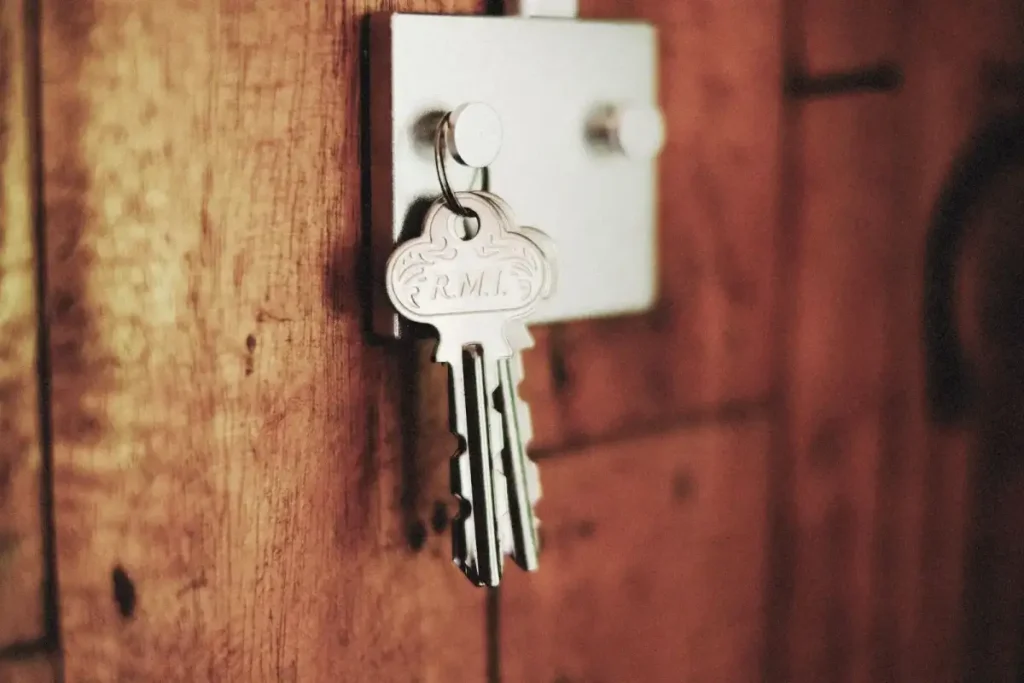
Work through the following checks before using the lock normally.
- Test the key. Insert the new key and turn it gently in both locking and unlocking directions. The mechanism should operate smoothly without sticking or requiring excessive force.
- Check the deadbolt. On a mortice deadlock or sashlock, operate the key and confirm that the deadbolt extends and retracts fully. It should move freely without catching inside the lock case.
- Test the latch and handles. If you’ve fitted a sashlock, check that the handles retract the latch and return to their normal position. For a nightlatch, test the external key, internal knob or lever, and any additional locking controls according to the manufacturer’s instructions.
- Check alignment with the frame. With the door still open, visually compare the latch and bolt positions with their corresponding keeps on the frame. Look for obvious differences in height or signs that the hardware may catch when the door closes.
- Check the internal release. Make sure the door can be unlocked and opened from inside as intended, particularly where it forms part of an escape route. Do not proceed if the replacement has changed a required escape function.
Only close the door once these checks have passed. For the first closed-door test, make sure another responsible person is present or that you have another safe means of access. Check that the latch engages, the key operates normally and the door can be reopened without difficulty. Then test the remaining keys and any functions available from both sides.
The manufacturer’s fitting instructions should take priority where a particular lock has additional testing requirements. You can consult Yale’s official lock fitting instructions for model-specific guidance.
If the new lock works with the door open but becomes stiff or fails to engage when closed, alignment may be contributing to the problem. Avoid forcing the key or handle. Our guide to door lock repair versus replacement explains why fitting a new lock does not necessarily resolve problems with the door or frame.
If the problem remains unresolved, consider professional door lock installation in Birmingham rather than making further alterations that could damage the door.
What Should You Do With the Old Keys After Changing a Lock?
Once your new door lock is fitted and working, check that every supplied key operates it correctly and decide who needs a copy. Keep a spare somewhere secure rather than hiding one outside the property.
If you’ve changed the lock after moving home, the old keys should no longer provide access through that lock. This is useful when you cannot account for copies held by previous occupants or contractors. Where a key has been lost or stolen, consider whether it could be linked to your address and whether any other locks use the same key.
You may also want one key to operate several doors. Some compatible locks can be supplied keyed alike or rekeyed to work together, depending on their design. It’s worth considering this before purchasing replacements, as not every lock supports the same options.
Once you’re satisfied that the new lock works reliably, keep any useful old components securely until they’re no longer needed. The aim is not simply to fit a new lock, but to make sure access to your property is controlled by the keys you intend to keep in use.
When Should You Stop and Call a Locksmith?
A straightforward door lock replacement is often manageable if the new lock matches the existing fittings and the door is in good condition. However, if the job requires altering the door, dealing with damaged components or resolving an unfamiliar locking problem, professional assistance may be the safer option.
Stop the replacement if you encounter any of these problems:
- The new lock does not fit: If the case, faceplate or fixing holes do not align, forcing the replacement or cutting into the door could cause further damage.
- The old lock cannot be removed normally: Seized screws, damaged fittings or a jammed mechanism may require specialist assessment rather than additional force.
- The door or frame is misaligned: If the replacement works with the door open but binds when closed, the hinges, frame or strike plate may need attention.
- The door has specialist security hardware: Multipoint locking systems, unfamiliar mechanisms and locks with specific insurance requirements may need a more detailed assessment.
- The door is fire-rated or forms part of an escape route: Replacement hardware must preserve the door’s required fire protection and safe escape functions. Unauthorised alterations could compromise its performance.
You should also stop if the replacement lock does not operate smoothly during testing or leaves you uncertain whether the door can be secured and opened reliably. A lock that appears to fit is not necessarily suitable for the door.
A locksmith can assess whether the problem requires a compatible replacement, an adjustment or more extensive work. If you need help, our door lock replacement service in Birmingham explains the available assistance.
For guidance on typical charges, see our Birmingham locksmith price guide. The cost will depend on the lock, its condition and any additional fitting or repair work required.
Need Help Replacing a Door Lock in Birmingham?
If your replacement lock does not fit, the existing mechanism is damaged or you would prefer professional installation, PDS Locksmiths Birmingham can help you discuss the appropriate options for your door.
Whether you need to change a mortice lock, replace a nightlatch or investigate a faulty locking mechanism, the right solution depends on the door, the existing hardware and the reason for replacement. In some cases, repairing or adjusting the current fittings may be more suitable than replacing everything.
Call PDS Locksmiths Birmingham on 0121 496 0123 to discuss your lock replacement. Have your postcode, door type and a brief description of the problem ready. If possible, mention whether you still have a working key and whether the door can be opened normally.
You can also contact our locksmith team online to discuss the work and check availability.
Need a Locksmith in Birmingham?
Get Help With Your Door Lock Replacement
Have your postcode, door type and a brief description of the problem ready. We will explain the options for your door before any work begins.
Frequently Asked Questions About Replacing Door Locks
Is it difficult to replace a door lock yourself?
Not usually, if the replacement matches the existing lock and door fittings. Changing a conventional mortice lock or nightlatch can be straightforward, but damaged hardware, misalignment or alterations to the door may require a locksmith.
What tools do I need to change a door lock?
Most straightforward replacements require a suitable screwdriver, measuring tape and compatible new lock. Some models need additional tools, so check the manufacturer’s fitting instructions before starting.
How long does it take to replace a door lock?
A straightforward lock replacement may take around 30–60 minutes, but the time varies. An unfamiliar lock, incompatible fittings or problems with the door can make the job take longer.
Can I replace two door locks with one key?
Yes, if the locks support a keyed-alike arrangement. Compatible locks can be supplied or sometimes rekeyed to operate with the same key. Check compatibility before purchasing.
Can I change the locks on a rented property?
It depends on your tenancy agreement and circumstances. Check the terms and contact your landlord or letting agent before making changes. If a faulty lock creates an urgent safety concern, report it immediately.
Can I replace a door lock and keep the same key?
Sometimes, if a compatible replacement can be keyed to match your existing key. Otherwise, a new lock normally comes with different keys. Ask a locksmith whether rekeying is possible for your lock type.
Can I replace an internal door lock myself?
Yes, many conventional internal door locks can be replaced with basic tools if the new fitting is compatible. Fire-rated doors, specialist hardware and doors with particular escape requirements need additional care.
Do I need to replace the door handle when changing a lock?
No, not if the existing handle is compatible with the replacement lock and remains in good condition. Check the spindle, fixing positions and handle operation before reusing it.
What happens if the replacement door lock is the wrong size?
The new lock may not fit the existing recess or align with the keyhole, handle or strike plate. Do not force it into place or alter the door without confirming that the replacement is suitable.
Why is my new door lock stiff after fitting?
A newly fitted lock may be stiff because of misalignment, incorrect fitting or pressure from the door frame. Test it with the door open first. If resistance remains, check compatibility and seek professional help rather than forcing the mechanism.